
Categories Dryer Fire Safety, Dryer Vent Cleaning

I Always Clean My Lint Trap. Why Aren’t My Clothes Drying?

cleaning the lint trap is not enough

I Clean My Lint Trap After Every Load. Why Are My Clothes Still Taking Longer to Dry?

If you clean your dryer’s lint trap after every load, keep doing it. But if the same load of towels used to dry in one cycle and now needs two, the next place I’d look is where the dryer vents outside.

Your dryer can look exactly the same as the day it was installed. The drum still turns, the clothes still get warm, and the lint screen comes out clean after you’ve emptied it. Meanwhile, lint can be building up in the duct behind the dryer, inside a wall or ceiling, or right at the outside vent cap.

A clean lint trap tells you about one part of the system

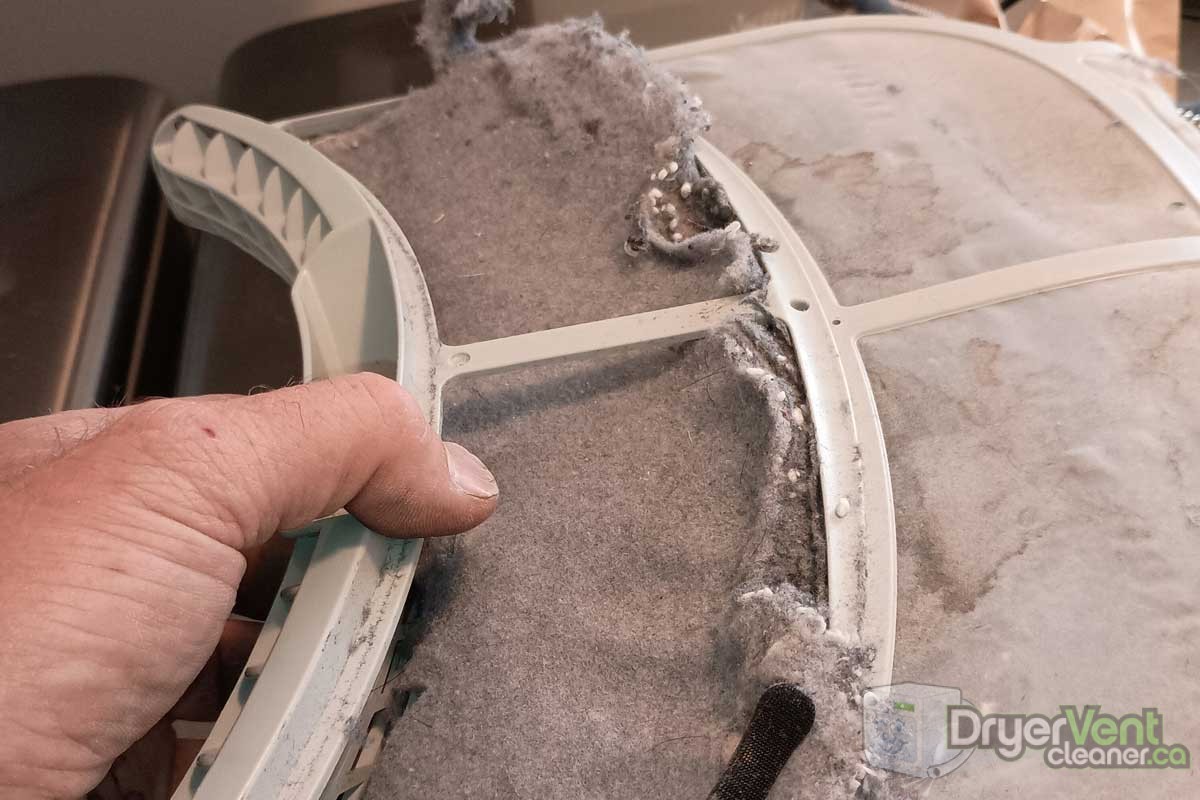
The lint screen catches fibers as air leaves the dryer drum. Some fine lint gets through the screen and travels into the exhaust duct. Some of it makes it outside, and some can collect along the way, especially around bends or at the vent cap.

Your dryer needs airflow to carry moisture out of the house. When the duct or cap becomes restricted, that damp air has a harder time getting out. That’s why your towels can come out warm and still damp, even though you cleaned the lint screen before you started.

Check the outside vent while the dryer is running

If you can safely reach the outside vent from ground level, turn the dryer on and take a look.

  • Are the flaps opening? If your cap has flaps, they should open when the dryer is exhausting air.
  • Can you feel a steady flow of air? Hold your hand near the outlet. If you can barely feel any air, or the flaps only open a little, the vent is worth checking.
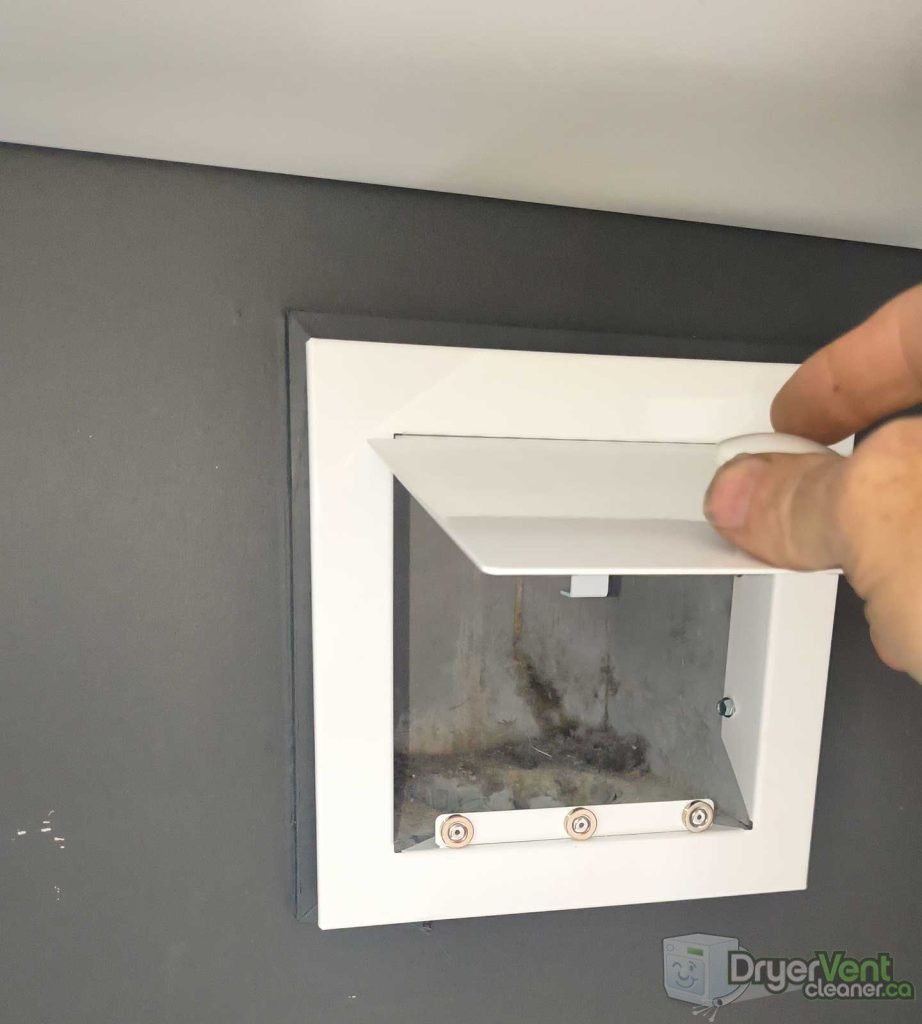
  • Can you see lint packed around the opening? Buildup at the cap can restrict airflow, and there may be more lint farther back in the duct.

This is a quick check. If airflow is weak, the restriction could be at the cap, farther along the duct, or even in a crushed connection behind the dryer.

What if your dryer vents through the roof?

If you can’t find a dryer vent cap on an outside wall, it may be on the roof. Leave the roof inspection to a professional.

On roof vent jobs, one problem we see is a cap fitted with a mesh screen. Fine lint catches on the mesh, and over time it can form a mat across the opening. We’ve seen some of these caps become badly restricted in as little as two or three years. If the same cap keeps plugging up after cleaning, it’s worth checking whether it was designed for dryer exhaust in the first place.

Check the airflow before replacing the dryer

When the dryer still heats but familiar loads take longer and longer, I’d check the vent before spending money on a new machine. A new dryer connected to the same restricted duct can have the same problem. If airflow checks out, you can move on to troubleshooting the appliance.

At Dryer Vent Cleaner, we check airflow before and after cleaning so you can see the difference. If your clothes are taking longer to dry, or you’re unsure where your dryer vents, we can inspect the duct and outside cap. We service wall and roof dryer vents across Niagara and Hamilton.
Categories Dryer Fire Safety, Lint Trap

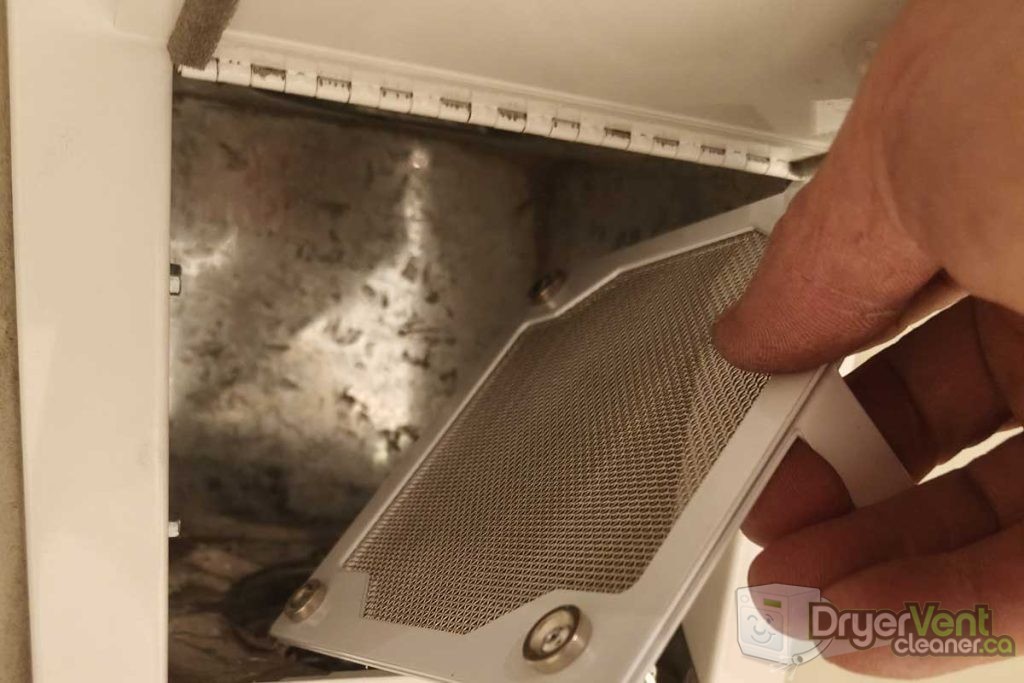
Seniors Shouldn’t Have to Risk a Fall Just to Clean Their Dryer Lint Trap

Lint trap difficult location

A simple dryer vent modification can make everyday laundry maintenance safer and easier for seniors living in condominiums.

Imagine being in your 70s or 80s and having to climb onto a step stool, lean across a stacked washer and dryer, stretch your arms towards the ceiling and wrestle with a stubborn lint trap door.

All just to remove a little dryer lint.

It sounds ridiculous, doesn’t it?

Unfortunately, this is exactly the sort of situation we encounter when servicing dryer vents in condominiums.

And the worst part? This isn’t a job that only needs doing once a year. Secondary lint traps require regular cleaning, often after every load, depending on the manufacturer’s instructions.

When a Simple Chore Becomes a Safety Hazard

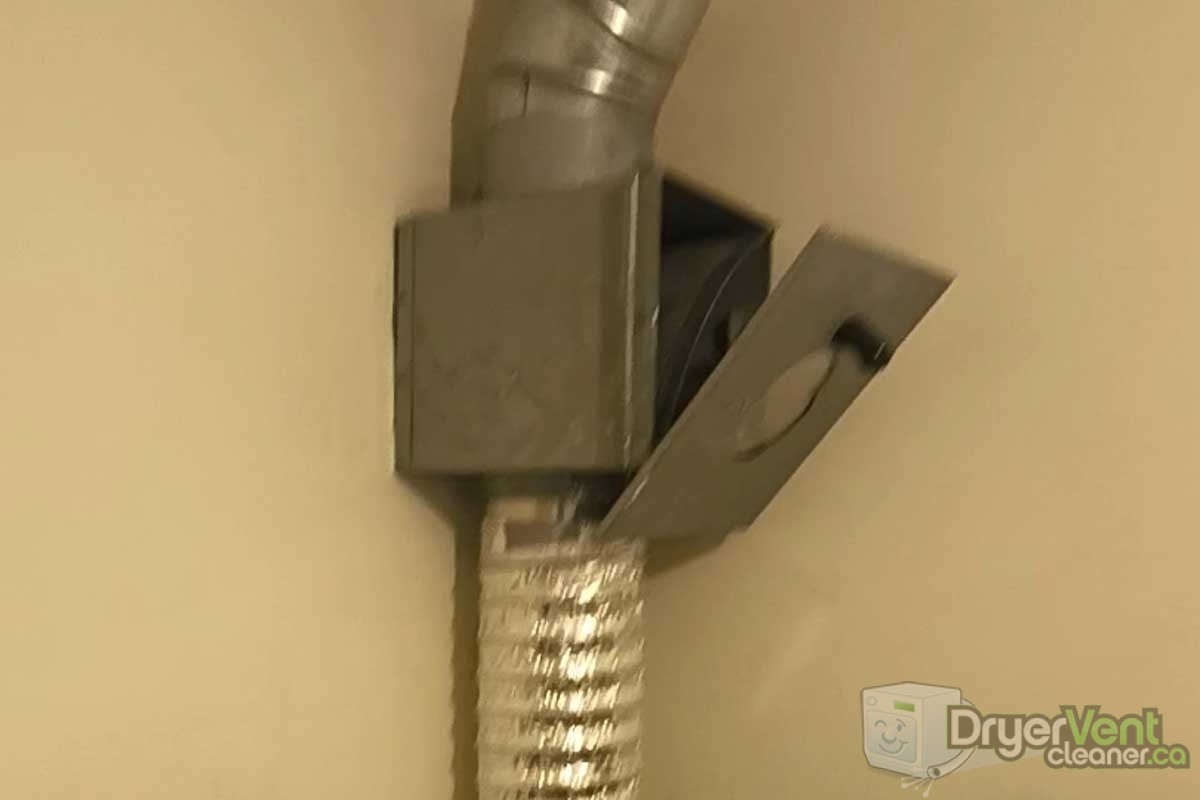
We recently visited a condominium where the secondary lint trap was installed high above a stacked washer and dryer.

To clean it, the homeowner had to climb onto a step stool, reach awkwardly across the appliances and operate two spring-loaded catches just to remove the door and access the lint screen.

Now imagine doing that regularly.

For someone with reduced mobility, balance difficulties or limited reach, this arrangement creates an unnecessary risk of falling.

And it’s not just seniors. Anyone with mobility limitations could struggle with this type of installation.

Nobody should have to risk a fall just to maintain their clothes dryer.

Why Are Secondary Lint Traps Installed in Such Awkward Locations?

In some condominium buildings, secondary lint traps are installed in the dryer exhaust ductwork to capture lint before it travels farther into the ventilation system.

Unfortunately, their location isn’t always convenient for the people who actually have to clean them.

We’ve encountered secondary lint traps mounted near ceilings, above stacked laundry appliances and in other difficult-to-reach positions.

While these installations may have been convenient during construction, they can make routine maintenance unnecessarily difficult.

And when something is difficult to access, there’s another problem.

People may put off cleaning it.

A neglected secondary lint screen can become clogged with lint, restricting airflow and potentially contributing to overheating and longer drying times.

Our Solution: Move the Secondary Lint Trap Somewhere Accessible

At Dryer Vent Cleaner, we believe in finding practical solutions rather than simply accepting poor installations.

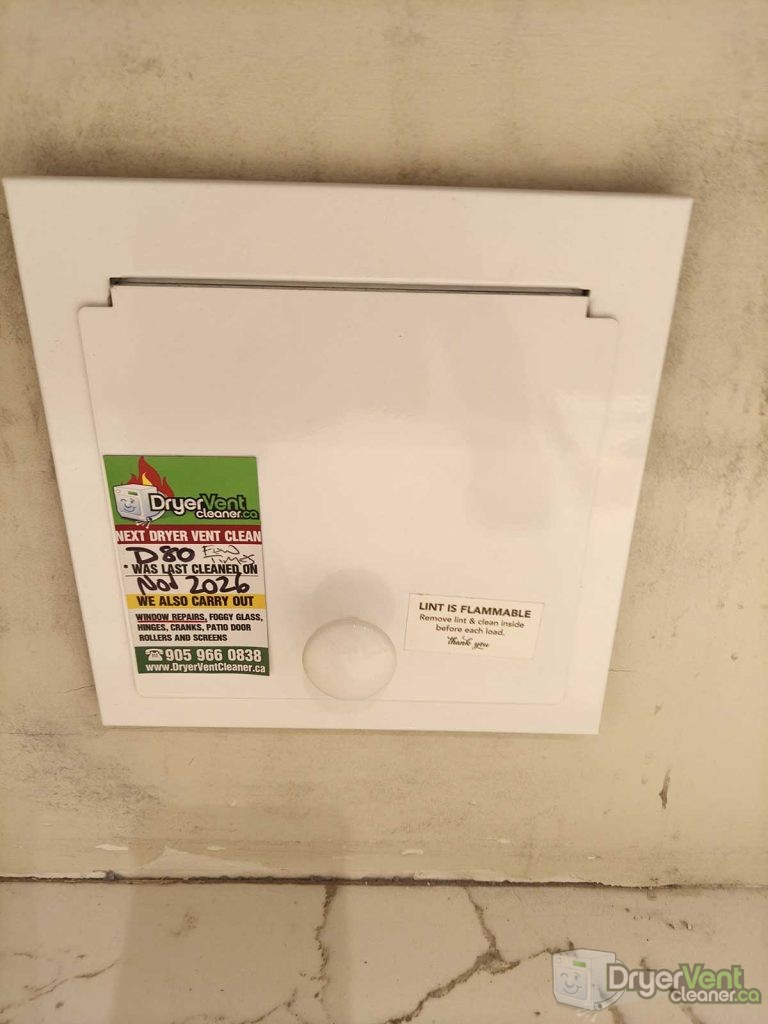
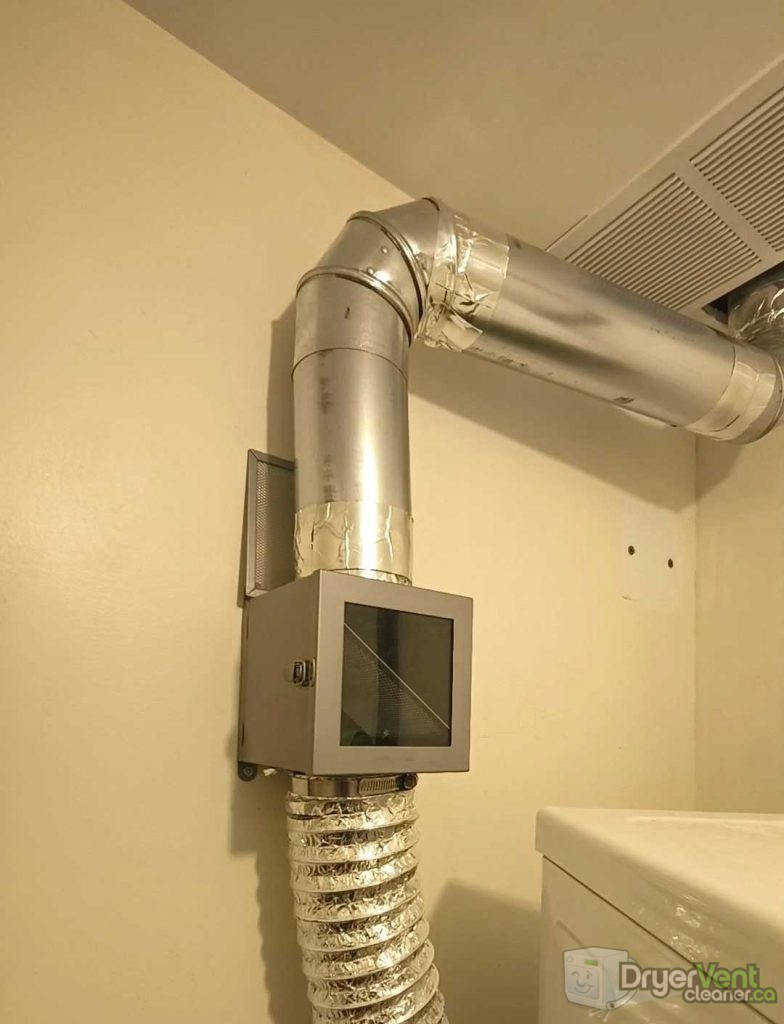
In this particular condominium, we were able to remove the awkwardly positioned secondary lint trap, modify the dryer vent ductwork and relocate the trap to a much more convenient position beside the stacked washer and dryer.

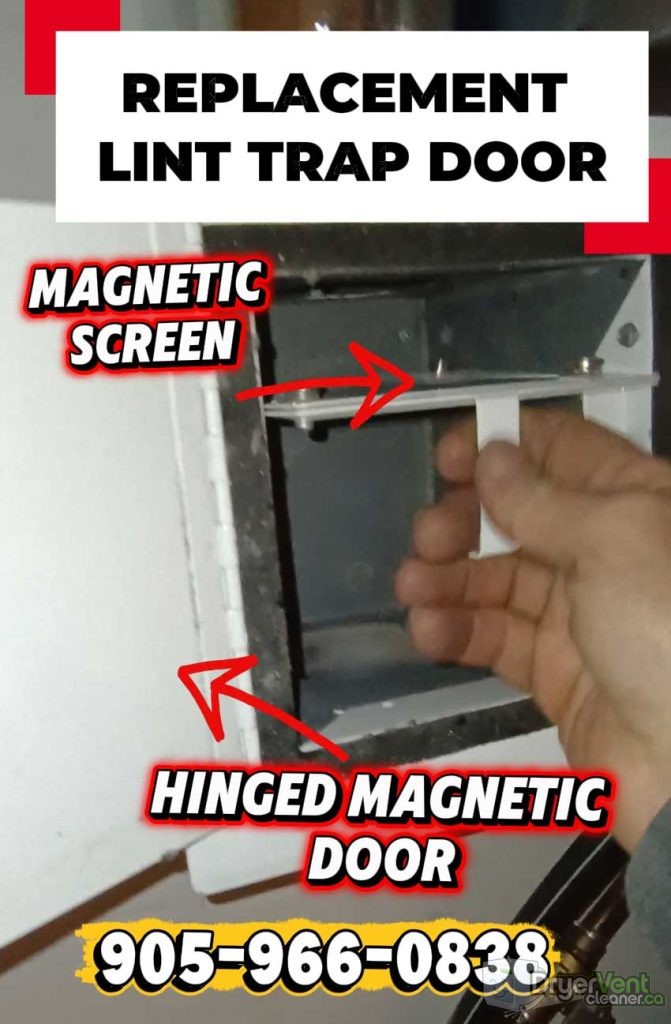
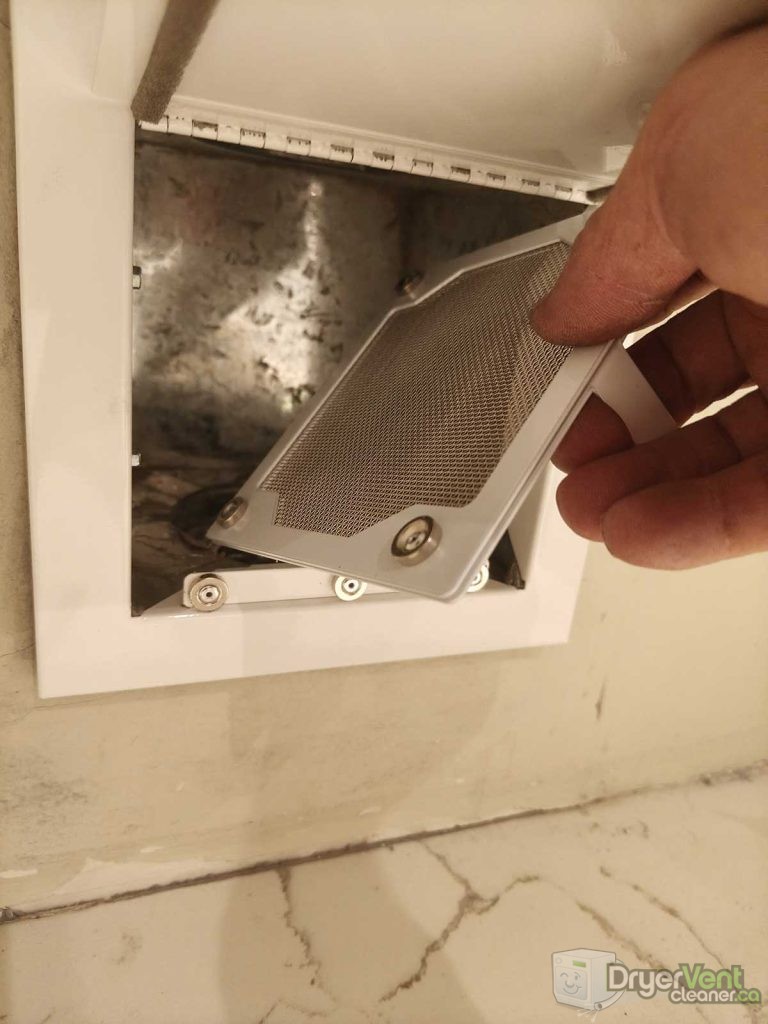
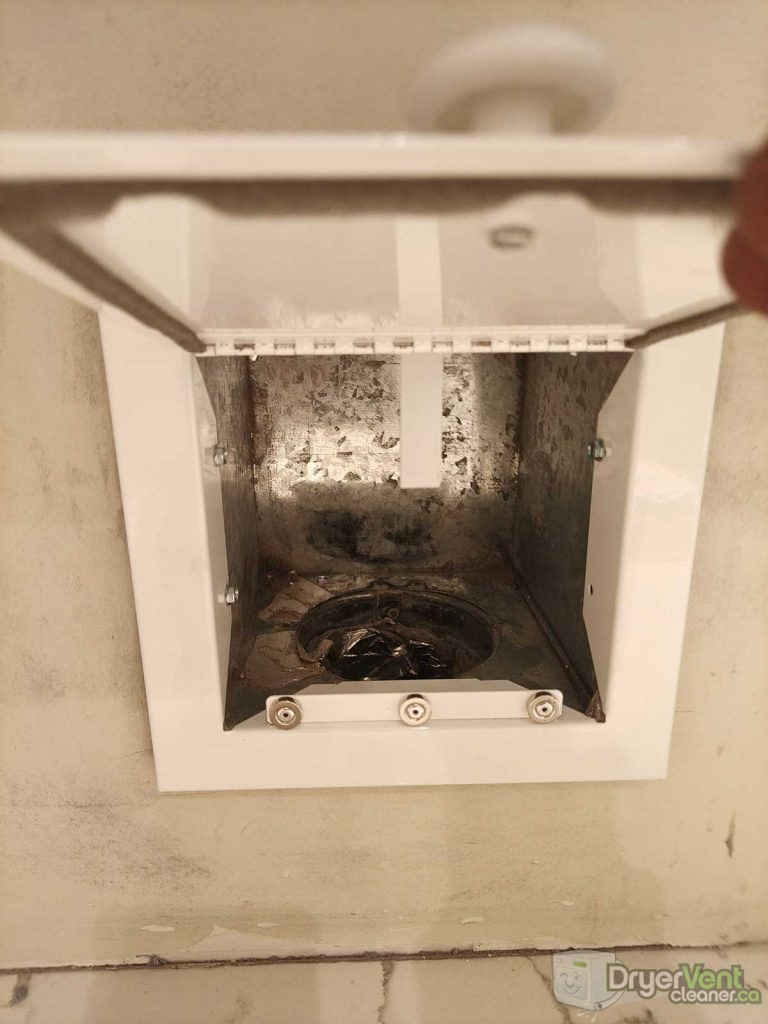
We installed a new surface-mounted secondary lint trap with a hinged access door, simple spring-loaded latch and easily removable lint screen.

No more climbing onto a stool.

No more stretching across the top of the dryer.

No more struggling to release two awkward spring-loaded catches.

The homeowner can now access the lint screen from a much safer, more comfortable position.

Of course, any dryer vent modification needs to maintain proper airflow and meet applicable installation and code requirements. Not every dryer system is suitable for a secondary lint trap.

A Small Modification That Makes a Big Difference

What I particularly liked about this job was how happy the customer was with the result.

We hadn’t installed an expensive new appliance or carried out a major renovation.

We’d simply recognized a problem and found a practical way to solve it.

The customer no longer needs to balance on a step stool to carry out a basic maintenance task.

Sometimes the simplest improvements make the biggest difference to someone’s everyday life.

And if this were my parents living in that condominium, I certainly wouldn’t want them climbing onto stools and leaning over appliances just to clean out dryer lint.

Could Your Condo’s Secondary Lint Trap Be Relocated?

If you live in a condominium with a stacked washer and dryer, take a look at where your secondary lint trap is located.

Ask yourself:

  • Can you reach it comfortably while standing on the floor?
  • Do you need a step stool or ladder to access it?
  • Is the door difficult to open or remove?
  • Do you have to stretch or lean over the appliances?
  • Can you easily remove, clean and reinstall the lint screen?

If accessing your secondary lint trap is difficult or unsafe, there may be a better solution.

Depending on the existing ductwork, we may be able to relocate the secondary lint trap to a more convenient position and install an easier-to-use model.

Professional Dryer Vent Cleaning and Secondary Lint Trap Relocation

At Dryer Vent Cleaner, we’ve been helping homeowners with dryer vent cleaning, repairs and installations since 2011.

We regularly work in condominiums throughout Burlington, Oakville, Hamilton, Grimsby, St. Catharines and surrounding areas.

Our services include professional dryer vent cleaning, secondary lint trap relocation, Reversomatic lint trap door replacement, dryer vent repairs and airflow testing.

Whether your dryer vent needs cleaning or your secondary lint trap is simply too difficult to access, we’re happy to look at the problem and recommend a practical solution.

Make Laundry Maintenance Safer and Easier

If you or an elderly family member has to climb onto a stool or stretch awkwardly just to clean a secondary dryer lint trap, please don’t assume that’s the way it has to be.

There may be a much safer and easier solution.

Contact Dryer Vent Cleaner to discuss relocating your secondary lint trap to a more accessible position.

Because nobody should have to perform a circus balancing act just to do their laundry.

Categories Dryer Vent Cleaning

Dryer Taking Too Long to Dry? Check the Vent First

Clothes taking 2, 3 or more cycles to dry

Dryer Taking Too Long to Dry? Check the Vent Before Calling an Appliance Technician

Is your dryer taking too long to dry clothes? Before booking an appliance repair or buying a replacement dryer, check the vent. If your dryer is tumbling and producing heat, restricted airflow could be the reason your clothes are still damp.